

Exploring the cultural significance of gambling in modern societies
Gambling has deep historical roots, tracing back thousands of years across various civilizations. Ancient cultures, such as the Chinese and Romans, utilized games of chance for entertainment, social bonding, and even decision-making. These early forms of gambling often served not only as leisure activities but also held religious or political significance, reflecting the values and priorities of those societies. Today, many enjoy online casinos that carry on those traditions in a modern setting.

As societies evolved, so too did the forms and perceptions of gambling. The emergence of organized gambling establishments, such as casinos, in the 19th century marked a significant shift, transforming gambling from informal social gatherings to structured economic enterprises. This evolution mirrors societal changes, highlighting gambling’s adaptability to cultural dynamics.
In modern societies, gambling often serves as a social activity, bringing people together in a shared experience. Casinos and gaming events are popular venues for social gatherings, allowing individuals to connect over games of chance. This social aspect fosters camaraderie and can even strengthen relationships, as friends and family engage in collective entertainment.
Moreover, gambling can bridge generational gaps, as it attracts individuals from various age groups. Younger generations may favor online platforms and mobile games, while older generations might prefer traditional casinos, demonstrating diverse preferences that highlight the rich cultural experience surrounding gambling.
Gambling contributes significantly to the economy of many regions, generating revenue through taxation and job creation. The establishment of casinos and gaming facilities often leads to increased tourism, drawing visitors eager to participate in gambling activities. This influx can have a ripple effect, benefiting local businesses such as hotels, restaurants, and retail establishments.
However, the economic benefits of gambling also raise questions about ethical considerations and social responsibility. While it provides financial advantages, it can lead to issues like gambling addiction and its associated costs to society. The challenge for modern societies lies in balancing these economic benefits with the need for responsible gambling practices.
Despite its prevalence, gambling is often surrounded by myths and misconceptions. One common myth is that gambling is solely a game of luck, neglecting the role of strategy and skill in many gambling activities. Understanding the nuances of games, such as poker or blackjack, can greatly influence outcomes, yet the stereotype persists that all forms of gambling are purely random. This idea tends to overshadow the true nature of these games.
Another misconception is the belief that gambling leads only to negative outcomes. While there are undeniable risks, many individuals engage in gambling responsibly as a form of entertainment without detrimental effects. Recognizing the complexity of gambling can help dispel these myths and promote a more informed understanding of its cultural significance.
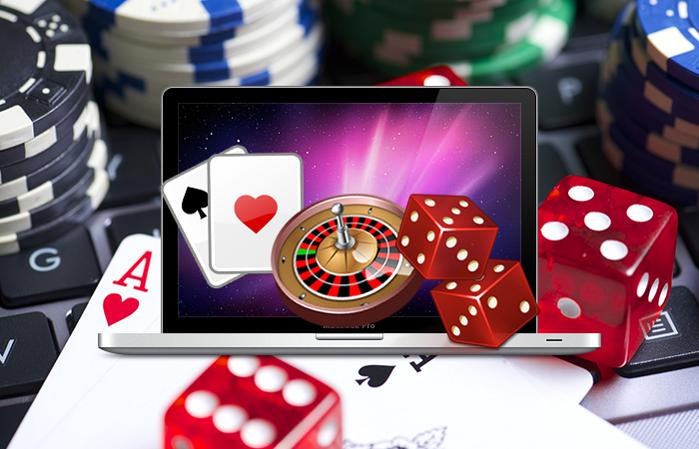
At our platform, we strive to provide a safe and enjoyable gaming experience, acknowledging the cultural significance of gambling while prioritizing responsible practices. Understanding the impact of gambling on individuals and communities, we implement measures to support responsible gaming, including resources for those seeking help.
By fostering a secure environment, we aim to contribute positively to the cultural dialogue surrounding gambling. We believe that when approached responsibly, gambling can be a source of entertainment and social interaction, enriching modern societies while minimizing the potential for harm.